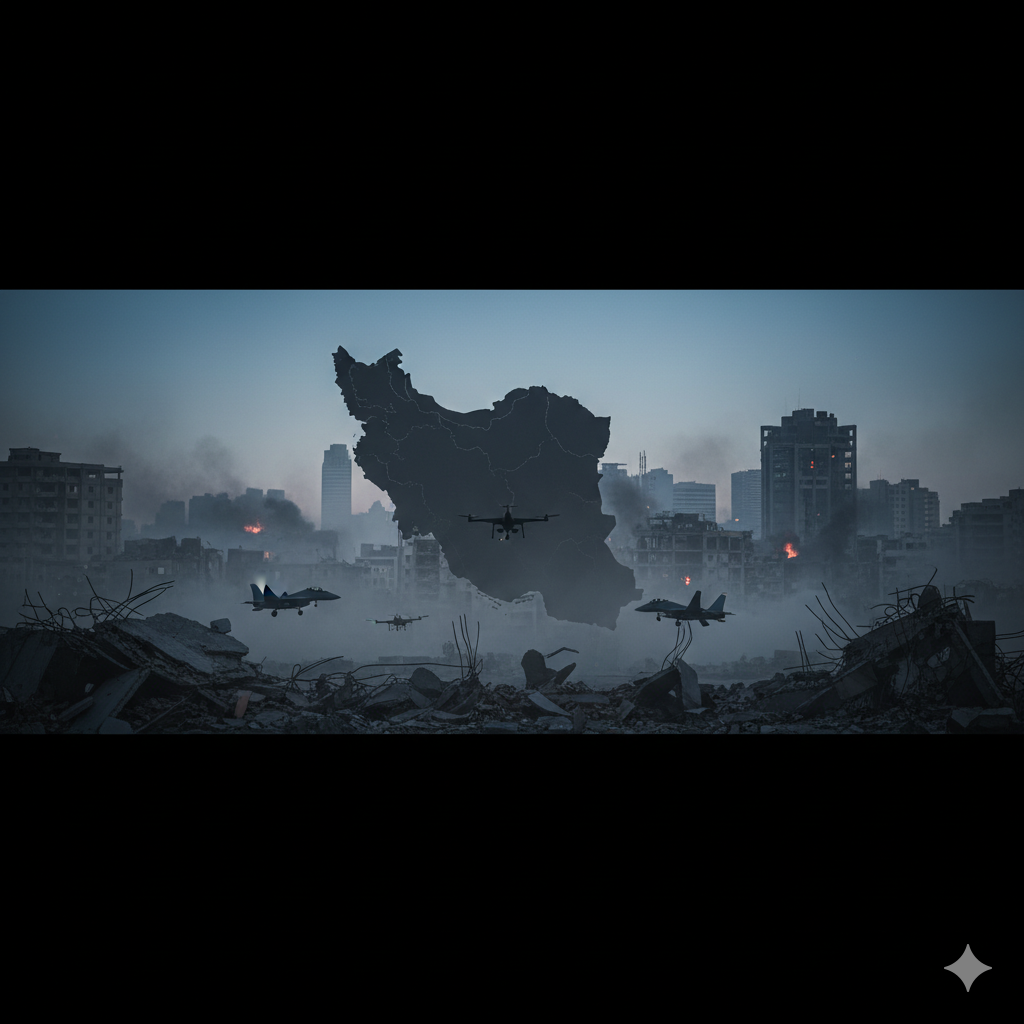
hello. Nice to meet you. The issue we will look at this time is the 2026 Iran War. This war is further aggravating tensions in the Middle East and is costing many countries and lives. In this post, we will take a closer look at the background of the Iran war, major events, combat zones and damage, international reaction, and future prospects.
Overview (What / When / Where)
On February 28, 2026, Israel and the United States launched surprise airstrikes across Iran. The attack targeted Iranian military facilities and missile launchers, and also killed Iran’s Supreme Leader Ali Khamenei. The Iran war is more than just a military conflict, it is significantly changing the political landscape of the Middle East region.
Background of War (Why)
There are many complex factors behind the Iran war. Iran’s nuclear development program, the international community’s concerns about it, and Iran’s growing influence in the region are the main causes. In particular, Iran’s military provocations and Israel’s defensive response deepened the conflict.
Major Events and Battles (Who / How)
At the beginning of the war, after Israeli and American airstrikes, Iran immediately launched a retaliatory attack. Iranian militants attacked the U.S. consulate and military base in Erbil, Iraq, with drones, and Iran’s military also launched counterattacks in several areas. This series of events further heightened military tensions throughout the Middle East.
Combat Areas and Damage (Where / How Much)
The area where the fighting took place spans several countries, including Iran, Iraq, and Lebanon. Below are reported damage figures as of March 15, 2026.
- Lebanon: 826 killed, more than 2,000 injured
- Iran: 1,444 killed, more than 18,500 injured
While the fighting was going on, anti-government protests in Iran also intensified. Protest areas include Zahedan, Aden, and southern Lebanon, where backlash against the Iranian government’s repressive measures has been particularly notable.
International Reaction (Who / Response)
The international community’s response to the war in Iran has varied. The United States and Israel are justifying the airstrikes as legitimate defense against Iran’s military provocations, while Iran views them as aggression and strongly opposes them. Global news coverage has highlighted the seriousness and regional implications of the conflict.
Future Outlook (What Next)
The future prospects of the war are uncertain. The possibility of a military counterattack by Iran and intervention by the international community still exists. As long as political instability in the Middle East continues, the war in Iran is unlikely to end easily. This situation may result in many casualties and international conflict in the future.
Conclusion
The Iran war is more than just a military conflict; it is changing the political landscape of the Middle East region. Continued monitoring of international responses and on-the-ground developments is essential as the situation evolves.